

I didn’t set out to start a mental health brand. Nine years ago, I set out to love someone through challenges neither of us fully understood. Soon, I found myself navigating a labyrinth of a system designed to “help people” but was failing to.
When someone you care about struggles with big, overwhelming thoughts, feelings, or ailments, diagnosed or not, you instinctively want to help. You read articles, conduct research, attend appointments, book specialists, and search for support groups. You sit quietly beside them, night after night, year after year, with fewer hopeful words left to say. Too often, you’re left empty-handed, able only to offer, “It’ll be okay. I’m here.”
The system wasn’t built for these kinds of struggles.
Especially when that person lives with borderline personality disorder.
I’ve witnessed how difficult it is for someone to ask for help when they don’t even know what they’re facing. The fear they’ll be judged or labelled “crazy” before they’ve finished speaking. The devastation of receiving a printout and advice to “regulate emotions” without context, support, or compassion. Doctors casually suggesting, “Have you tried just letting things go?” while writing another prescription, or family exasperatedly remarking, “You’ve always been like this,” or “Why can’t you just do it?”
Through experience, I know the challenge of loving someone through that pain; the heaviness of holding space while managing your own triggers, guilt, anxiety, and helplessness. The system offers minimal support to them and even less to you, often just a pat on the back and a generic self-help guide.
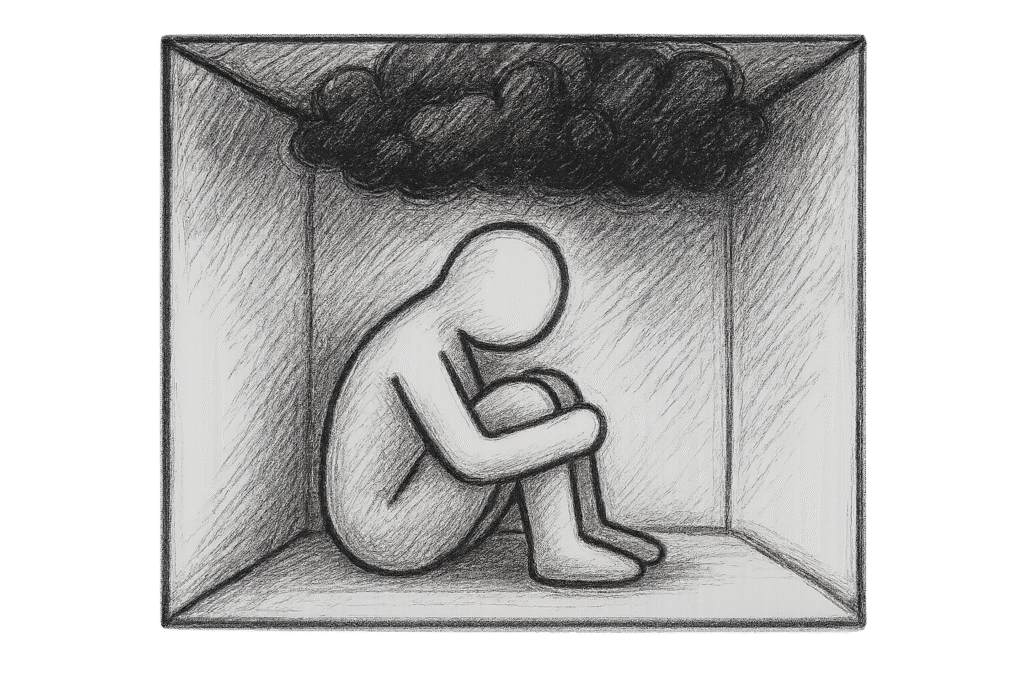
The stigma around BPD is alive and well.
Even within mental health circles, borderline personality disorder and other mood disorders carry misconceptions. People hear “BPD” and immediately think “narcissist,” “manipulator,” “unstable,” “attention-seeking,” “crazy,” and “erratic.” This is incredibly wrong.
What I’ve seen is someone doing their absolute best to survive in a world that never taught them how to feel safe within their own body or mind. I’ve witnessed profound emotional courage; someone facing shame, panic, fear of abandonment, and the urge to disappear, all while striving to remain present and connected, especially for their children.
That person deserves better. We all do.
Why I Created Dear Sol
Dear Sol was born in the space between wanting to help and not knowing how, between needing words and finding none. It emerged from recognizing the potential of the programs I researched and how desperately their accessibility needed improvement.
Nobody wanted another rigid workbook, 50 pages of vague multiple-choice tests, or cold clinical lists filled with tiny fonts and judgmental undertones. I wanted something gentle, easy to read, and easy to understand; something people could reach for instead of spiralling into trauma. Everyday items tailored with genuine care, customized to individual needs. Rather than waiting around for this to exist, I created it; with all my love and lived experience as a support person, alongside my partner, and embodied in a character who represents the struggles he faces daily.
Meet Solomon E. Penguin
Solomon, or Sol for short, is the heart of Dear Sol. I designed him so anyone, whether they’ve experienced mood disorders or not, could begin to see themselves or their loved ones in him. Sol helps reduce stigma, illustrating that people living with big emotions and thoughts are normal people too.
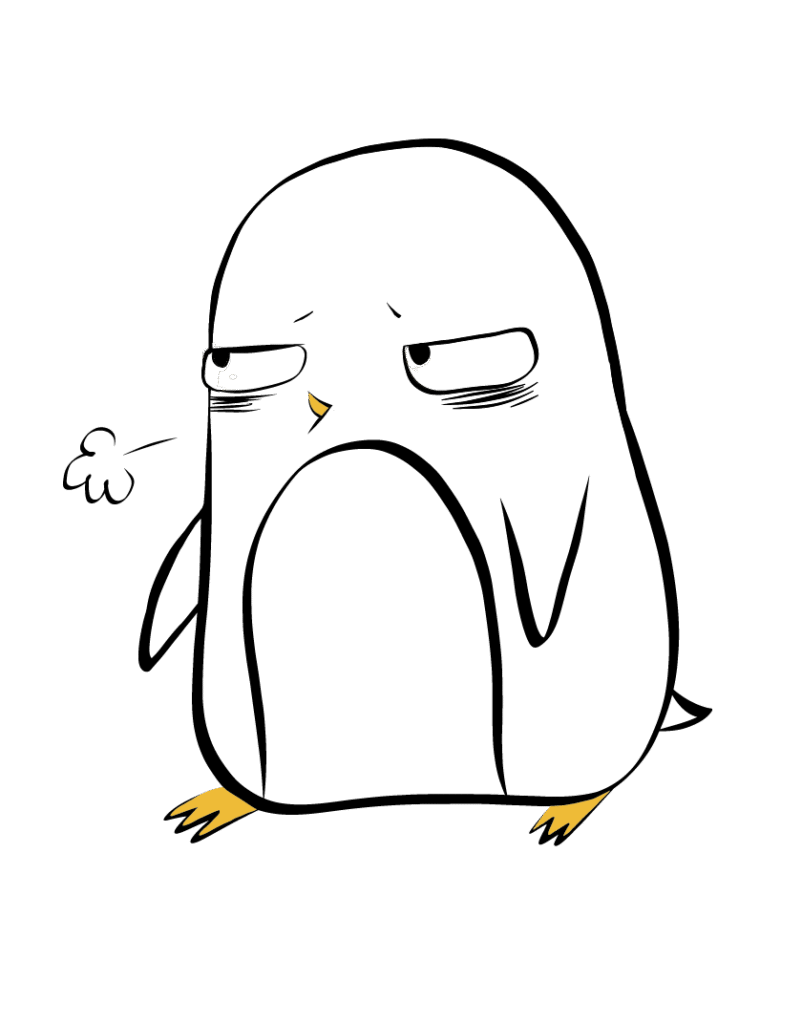
Through Sol’s lens, we can connect better, understand deeper, and offer grace more readily. He’s the boat that helps us navigate the storm.
What Dear Sol Offers
Dear Sol is currently a growing collection of digital tools for emotional wellness and self-care, especially designed for those living with BPD or supporting someone who is.
On our website, you’ll find:
- DBT-based workbooks and planners
- Skill sheets for distress tolerance, emotion regulation, and more
- Printables and visuals to make emotional regulation more accessible
- A free emotion wheel to help you easily identify your emotions
Soon, we’ll add even more resources, tools, and merchandise, each designed with love, lived experience, and respect for your journey.
Remember, Dear Sol is not therapy, nor is it a replacement for professional support, but it is a companion; a carefully crafted toolkit for the days when everything feels overwhelming. It’s built on the belief that you are enough and that you’re worthy, even on your hardest days.
If you’re still reading this, I’m so very glad that you’re here.
Leave a Reply